
How to distinguish between primary carbon and recycled carbon?
Activated carbon, as a highly efficient adsorption material, is widely used in air purification, water treatment, food decolorization, and other fields. However, the quality of activated carbon on the market varies greatly, especially the difference between virgin and regenerated carbon, which directly affects the effectiveness of its use.
I. The essential difference between primary charcoal and recycled charcoal
Virgin activated carbon is made from fresh raw materials (such as coconut shells, wood, and coal) through high-temperature activation for the first time. It possesses a complete pore structure and high adsorption capacity.
Regenerated activated carbon is a product of "regenerating" used activated carbon through high-temperature steam or chemical treatment. Although it recovers some adsorption capacity, its performance is significantly lower than that of virgin activated carbon.
II. Five ways to distinguish between virgin charcoal and recycled charcoal
1. Observe the appearance and color.
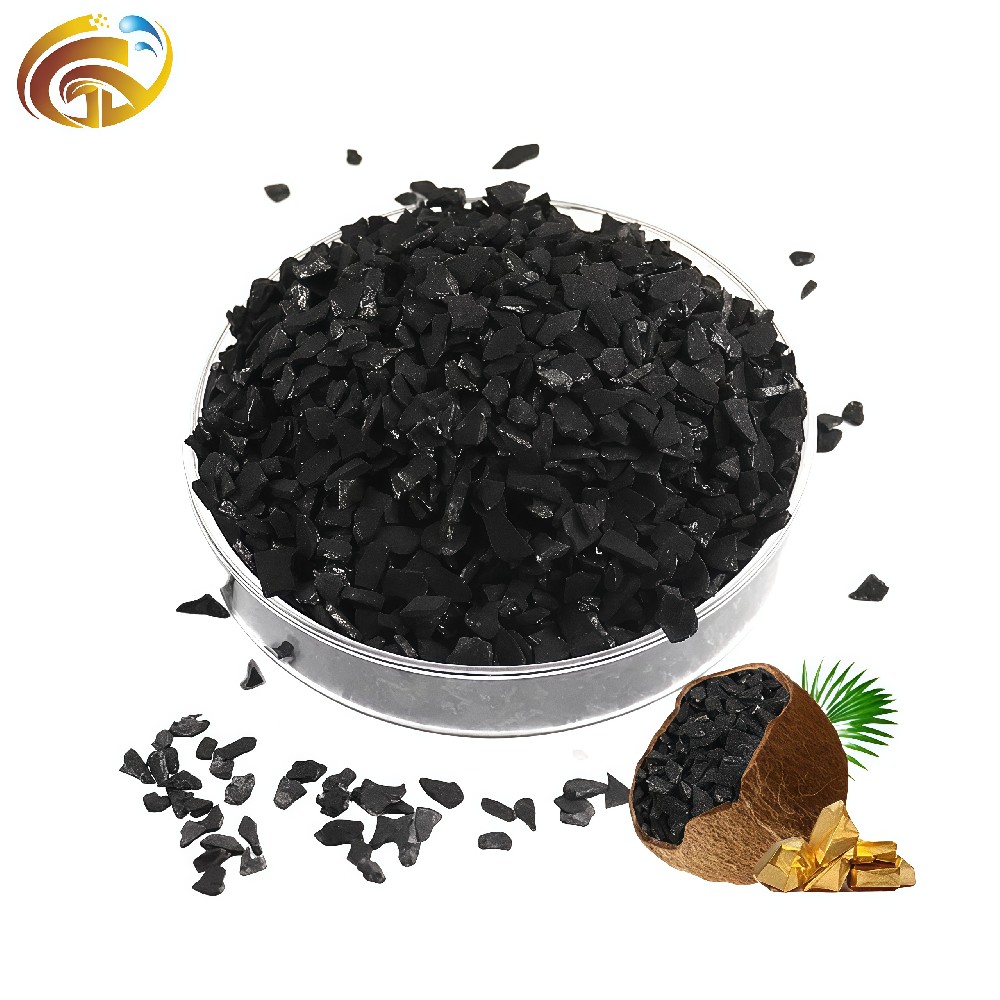
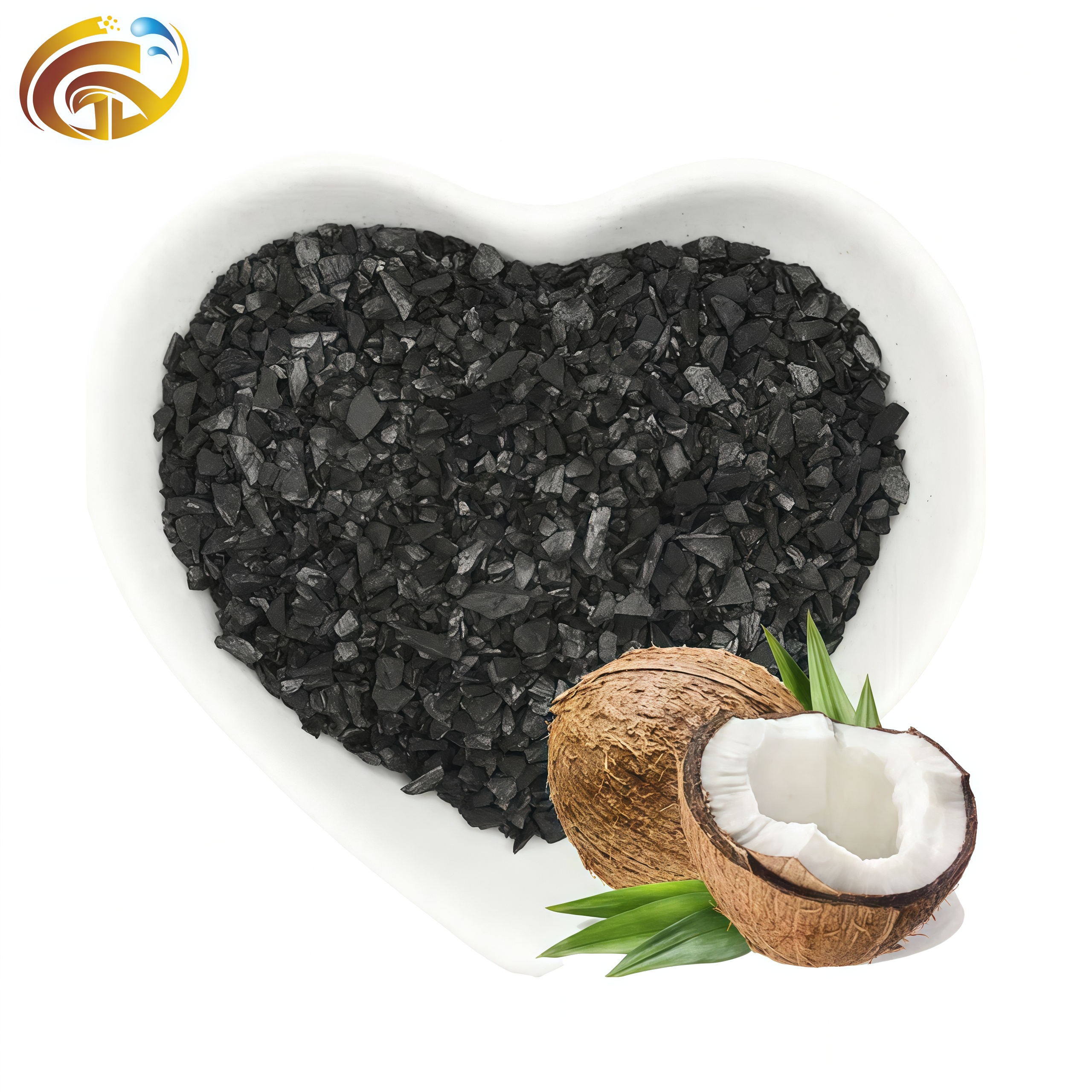
Raw charcoal: jet black and glossy, with uniform granules.
Regenerated charcoal: It is grayish in color and may have white powder on the surface (residue from the regeneration process).
2. Check particle integrity
Raw charcoal: intact particles with distinct edges and corners
Regenerated charcoal: Many granules are broken, with a lot of fragments.
3. Adsorption rate test
When activated carbon is placed in water:
Primary activated carbon: produces a large number of continuous bubbles (due to its highly porous structure)
Regenerated activated carbon: produces fewer and more intermittent bubbles
4. Iodine value testing (professional method)
High-quality virgin charcoal iodine value: 1000-1200 mg/g;
Regenerated charcoal iodine value: usually below 600 mg/g
5. Price Comparison
Virgin charcoal: Higher cost, relatively expensive.
Regenerated charcoal: Typically 30%-50% cheaper than virgin charcoal.
III. How to choose for different uses?
1.Recommended scenarios for using native charcoal:
Home air purification (formaldehyde and odor removal), drinking water treatment, food and pharmaceutical grade applications, and moisture protection for valuables.
2. Applicable scenarios for recycled charcoal:
Industrial wastewater pretreatment, low-requirement air filtration, and applications where adsorption efficiency is not critical.
IV. Purchase Tips
1. Choose a reputable manufacturer and check the test report.
2. Be wary of excessively low-priced products.
3. For home air purifiers, coconut shell charcoal is recommended.
4. Request a sample for testing before purchasing.
· Fujian Guangyuan Carbon Products Co.,Ltd.