
Analysis of Activated Carbon Adsorption Effect Based on Bubble Reaction in Water
Activated carbon, as a porous adsorbent material, is widely used in water treatment, air purification, and industrial production. A method circulating in the market involves observing changes in the bubble reaction when activated carbon is placed in water to judge its adsorption effect and quality. This article will systematically analyze the scientific basis and effectiveness of this method.
The relationship between bubble phenomenon and activated carbon structure
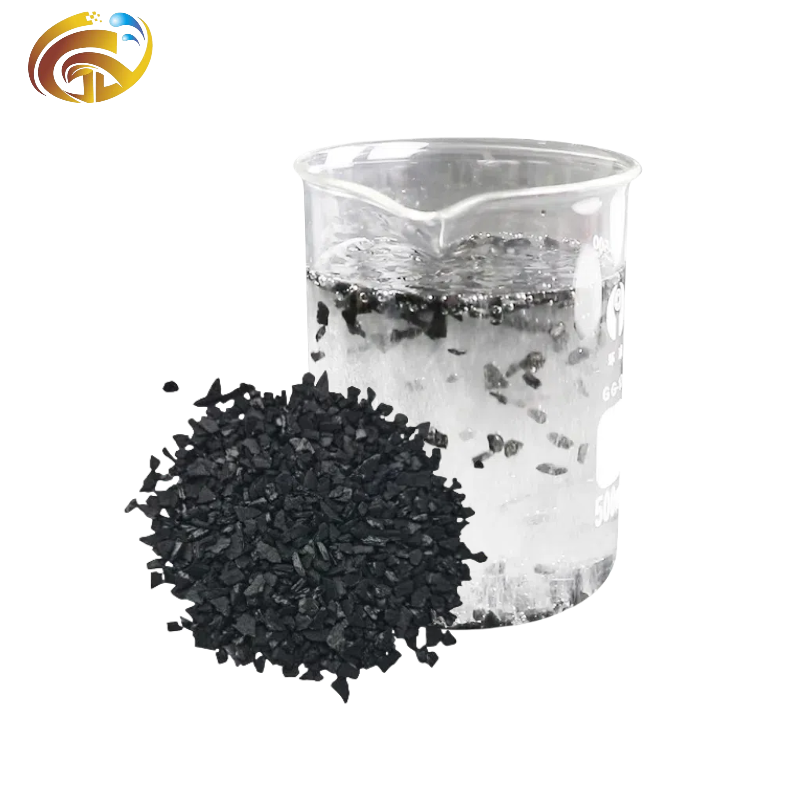
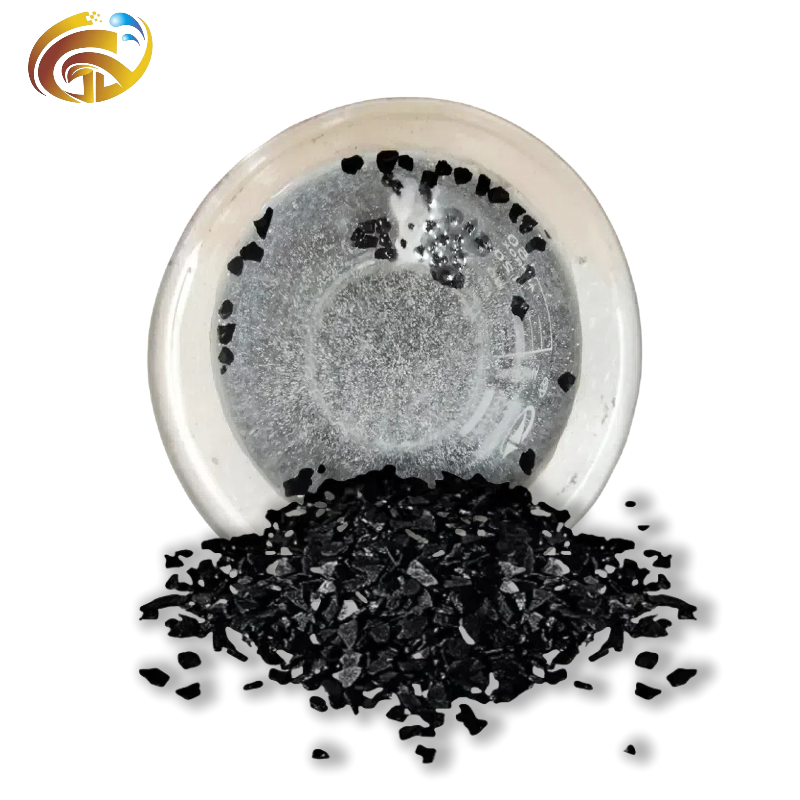
When activated carbon is placed in water, it does indeed produce bubbles. This process is mainly caused by the following factors:
Pore exhaust
Activated carbon has a well-developed pore structure (including micropores, mesopores, and macropores). When immersed in water, the air in the pores is displaced by the water and expelled, forming visible bubbles.
Surface wetting
The wetting process that occurs when activated carbon comes into contact with water accelerates the expulsion of air, and high-quality activated carbon, due to its larger specific surface area, usually produces more bubbles.
Adsorption
Activated carbon begins to adsorb impurities and gases in the water, a process that may also be accompanied by the generation of tiny bubbles.
Nonlinear relationship between bubble number and adsorption performance
While activated carbon with a high specific surface area may generate more bubbles, the number of bubbles does not directly correspond to adsorption capacity. Adsorption performance also depends on factors such as pore structure distribution and surface chemical properties.
Uncertainty in bubble duration
The rate of bubble release is affected by a variety of factors, including the size of activated carbon particles and water temperature, and cannot reflect the adsorption efficiency alone.
Adsorption differences of different types of pollutants
Activated carbon has different adsorption mechanisms for organic pollutants, heavy metals, or pigments, and the bubble phenomenon cannot reflect these specific adsorption capabilities.
· Fujian Guangyuan Carbon Products Co.,Ltd.